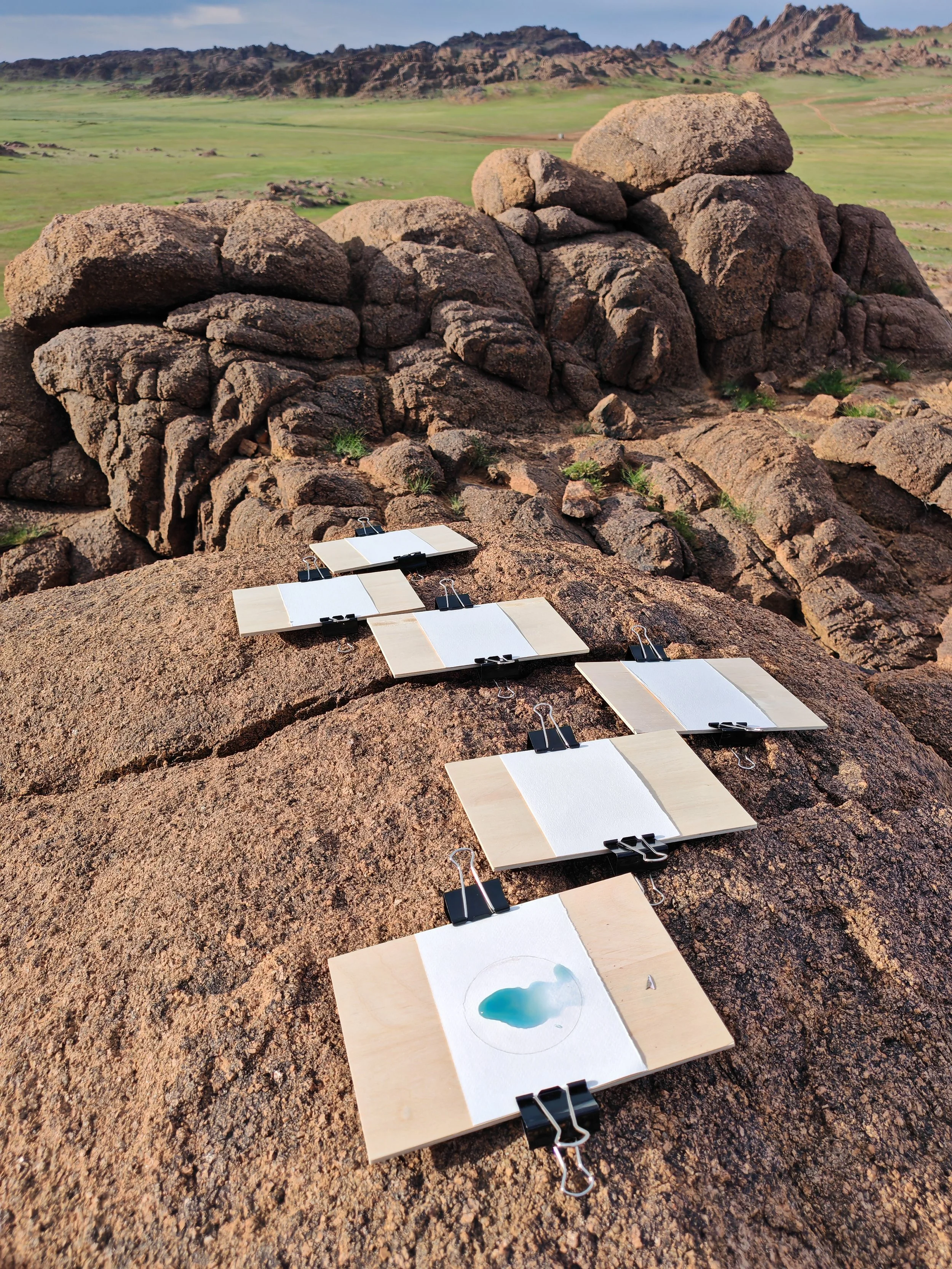
HYDROLOGICAL CIRCLES
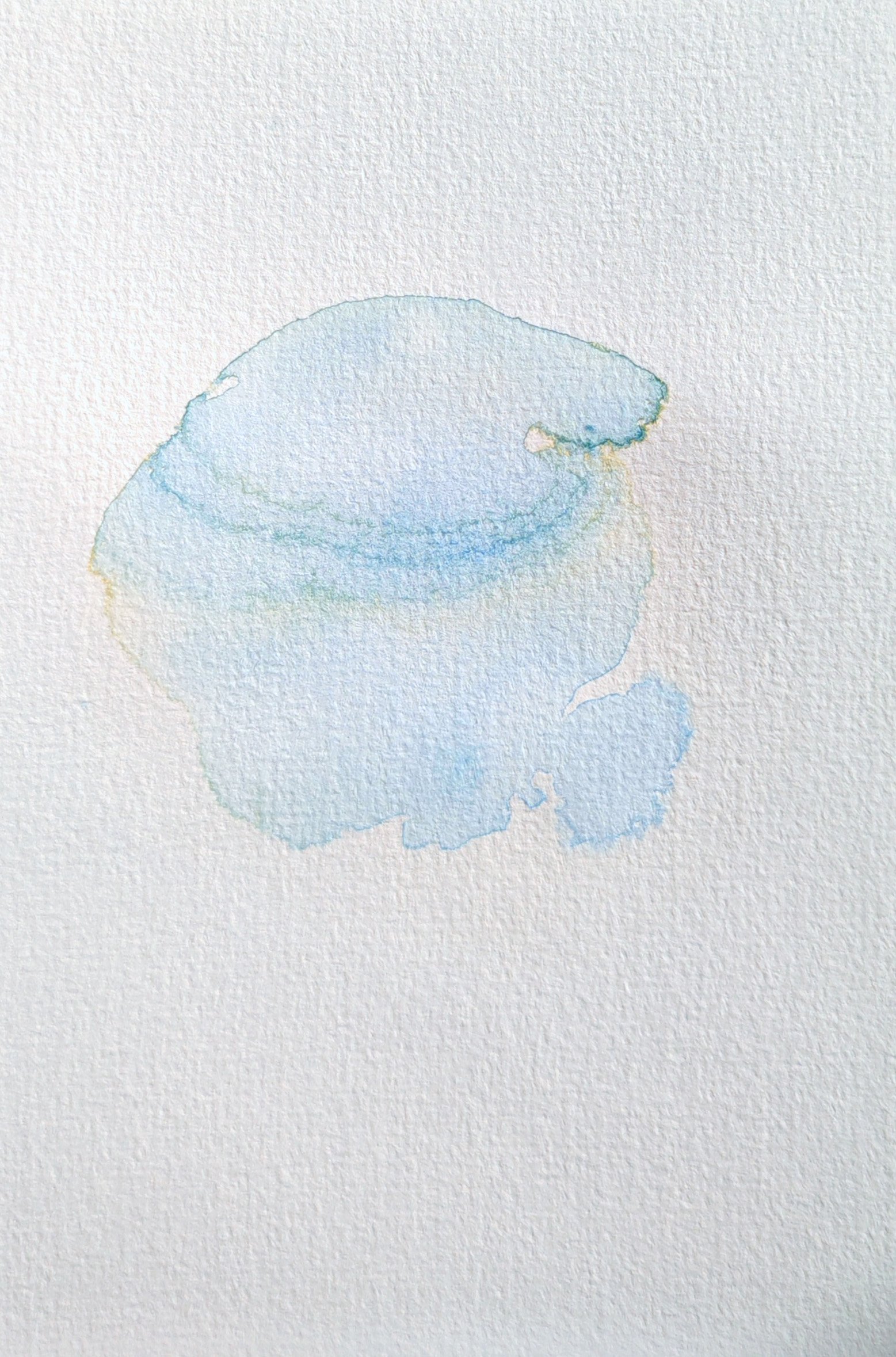
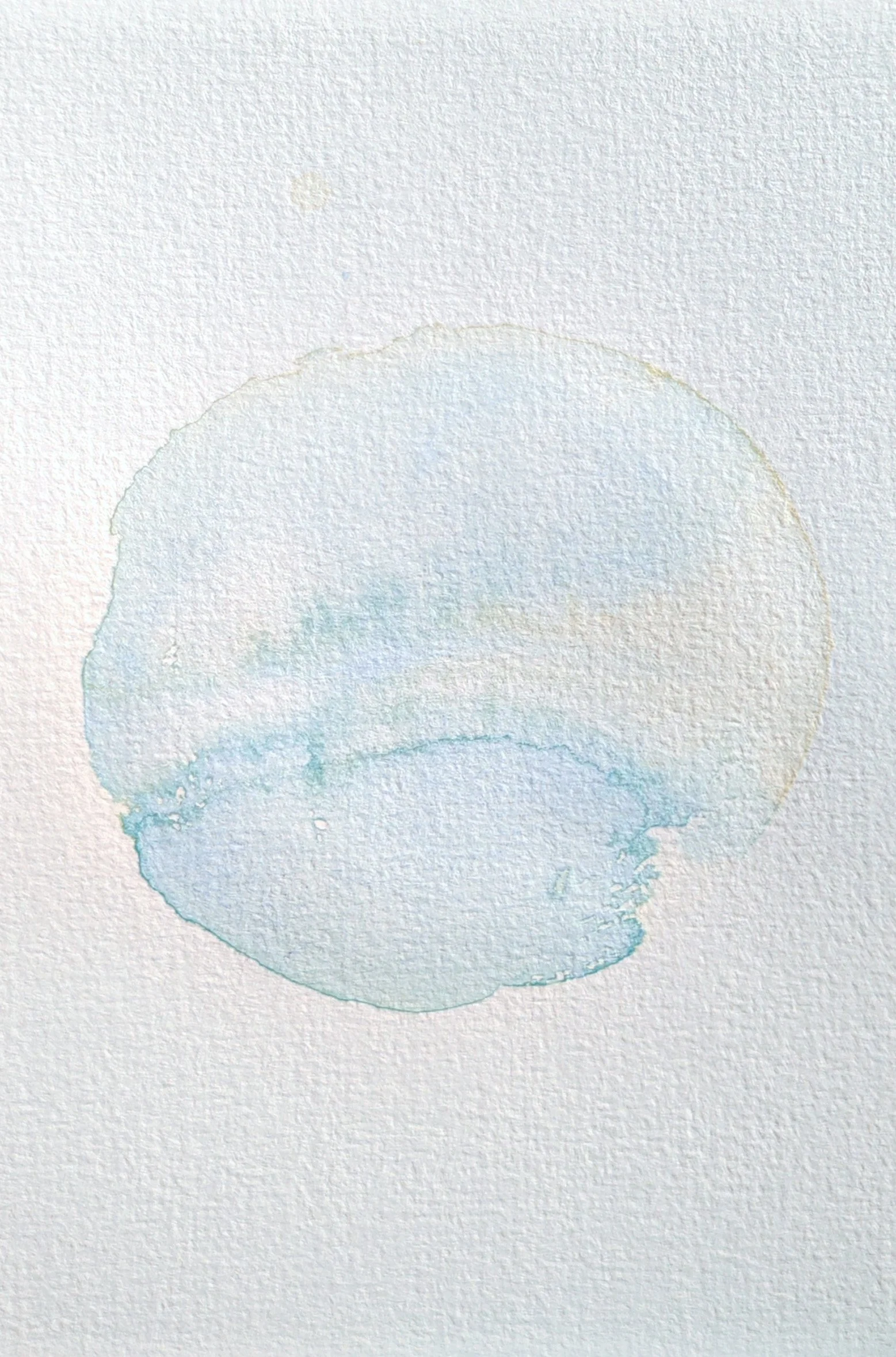
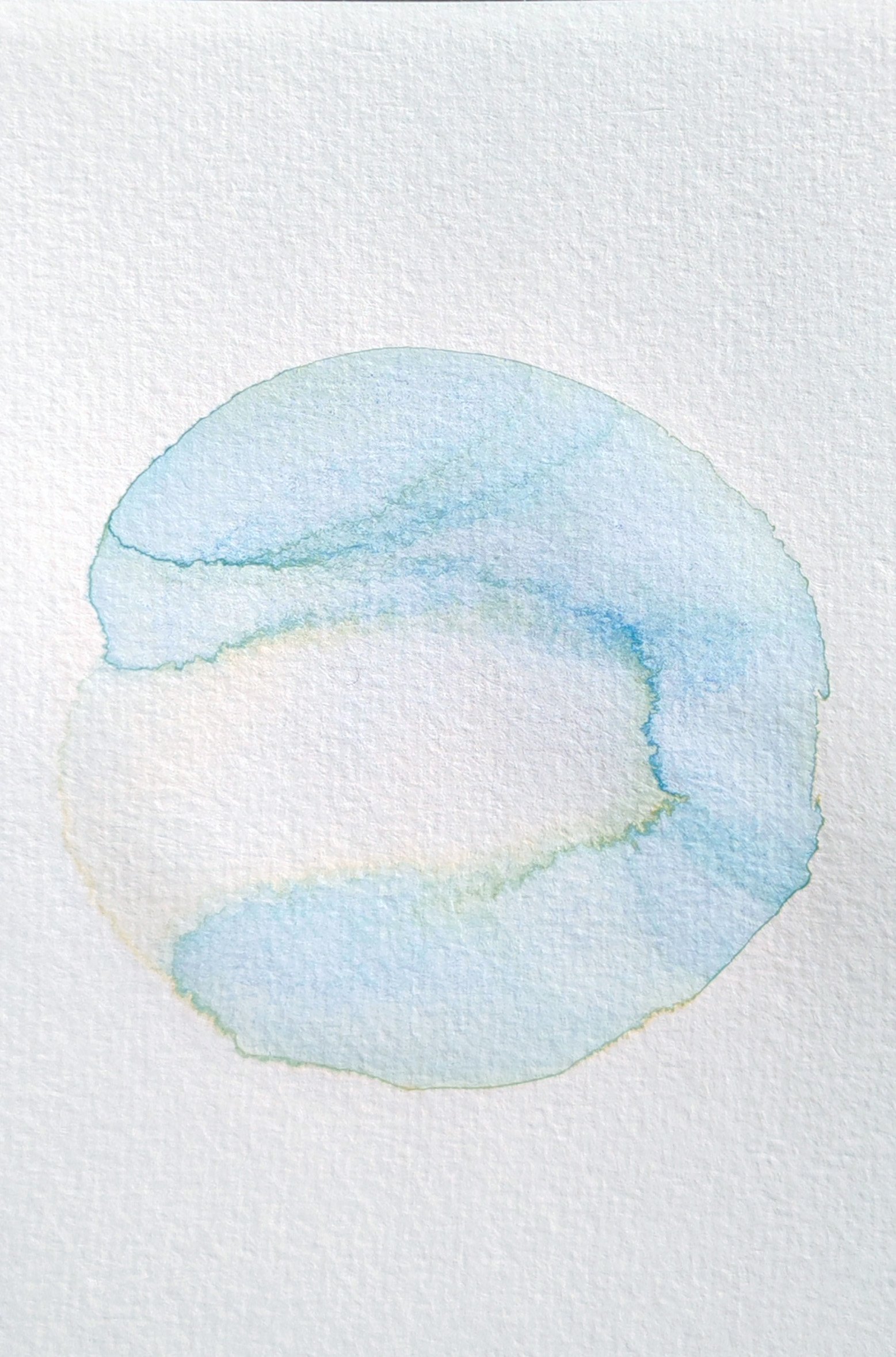
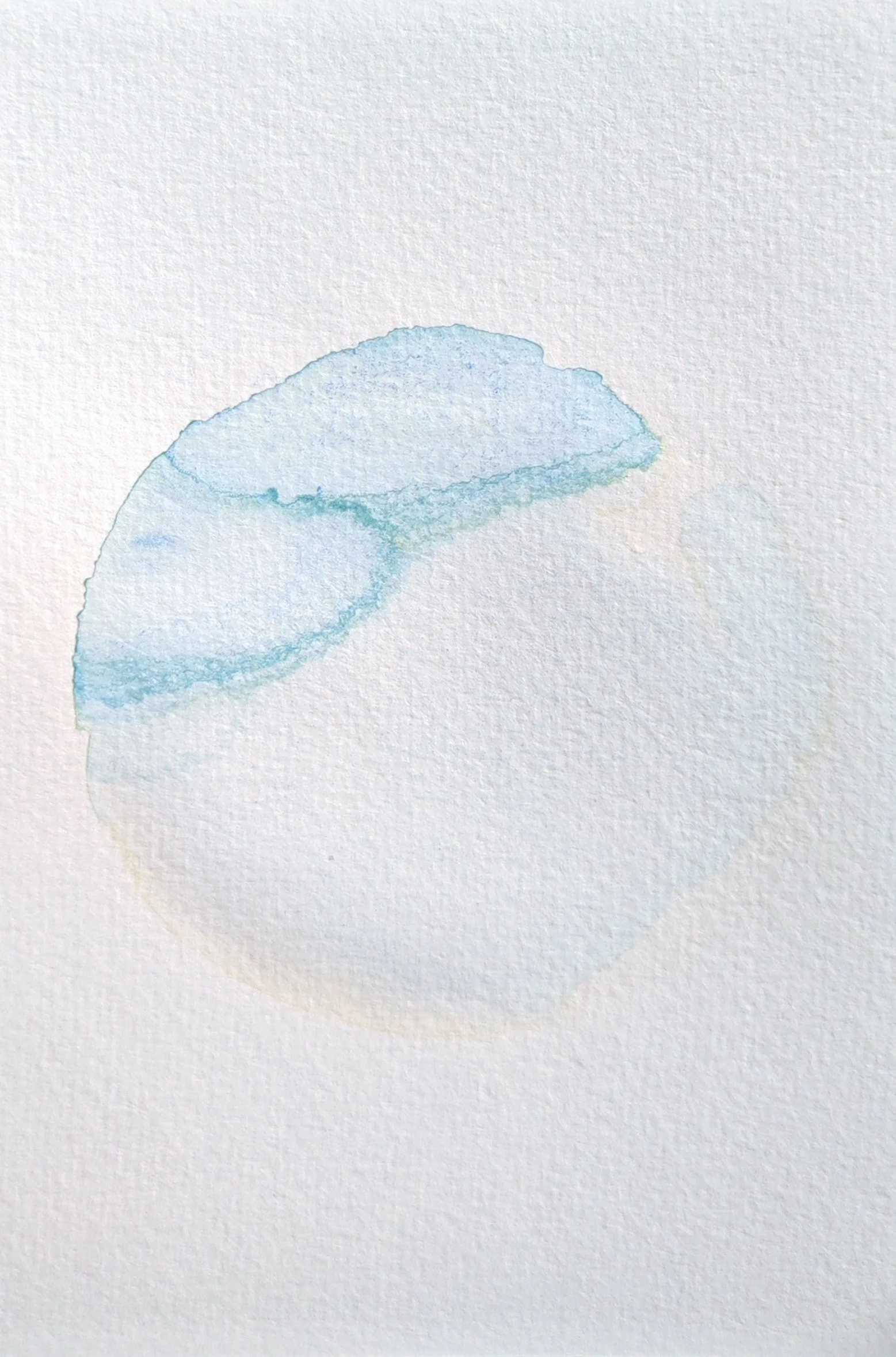
The image plates are organised according to the seven study locations. Within each location, the works are arranged chronologically. This makes both spatial relationships and temporal changes within an experimental sequence traceable.
Each image plate is presented together with its specific measurements and observations: geographical coordinates, date, study number, air temperature, relative humidity, quantity used for pre-moistening, quantity of pigmented water, elevation, wind direction and force, start and end time, documented drying duration and experiment status.
A consistent graphic structure makes it possible to compare data and images quickly. The position of each item of information remains constant across the tables. The image field nevertheless remains visually dominant so that the works do not become mere illustrations of their measurements.
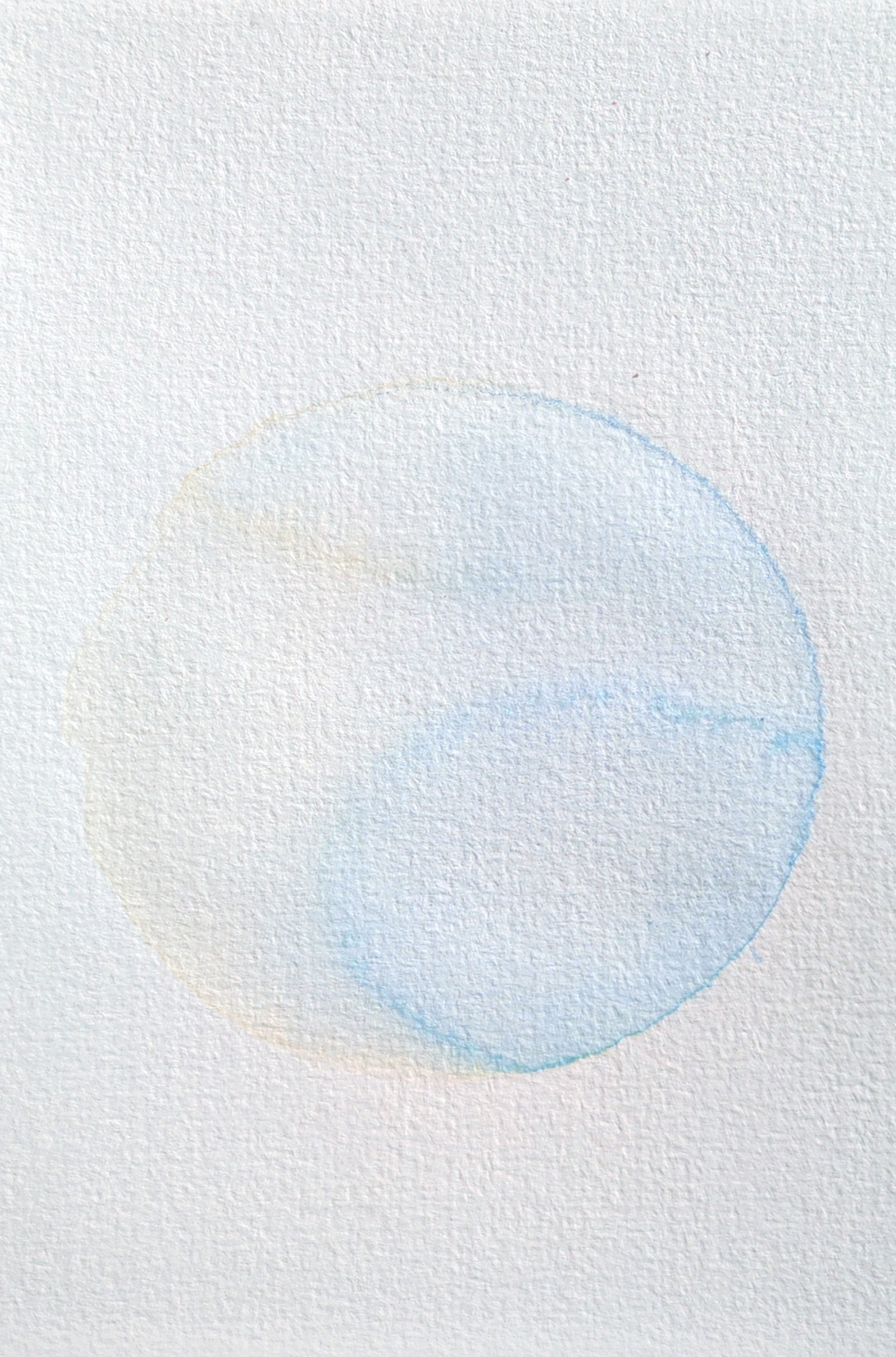

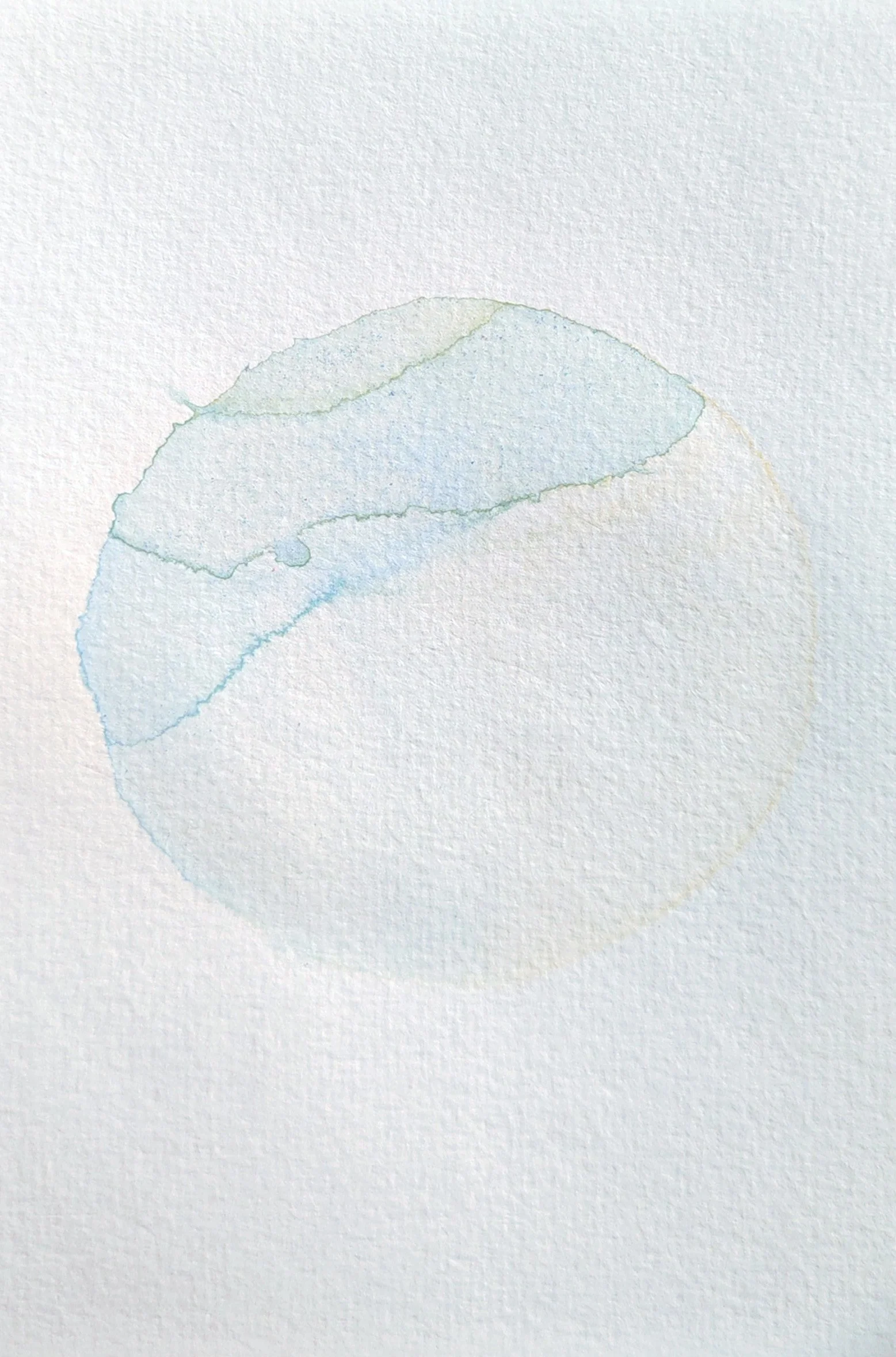
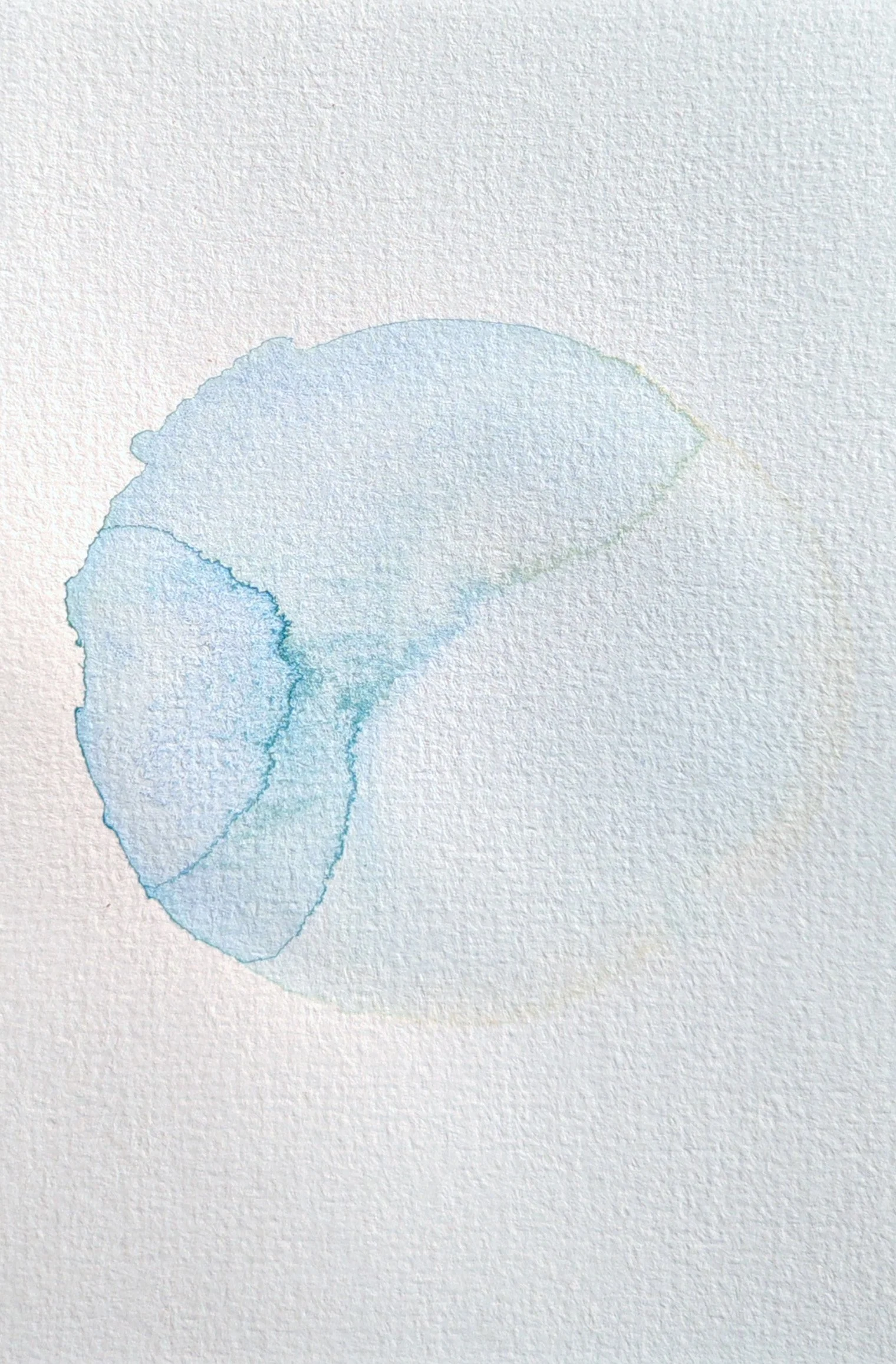
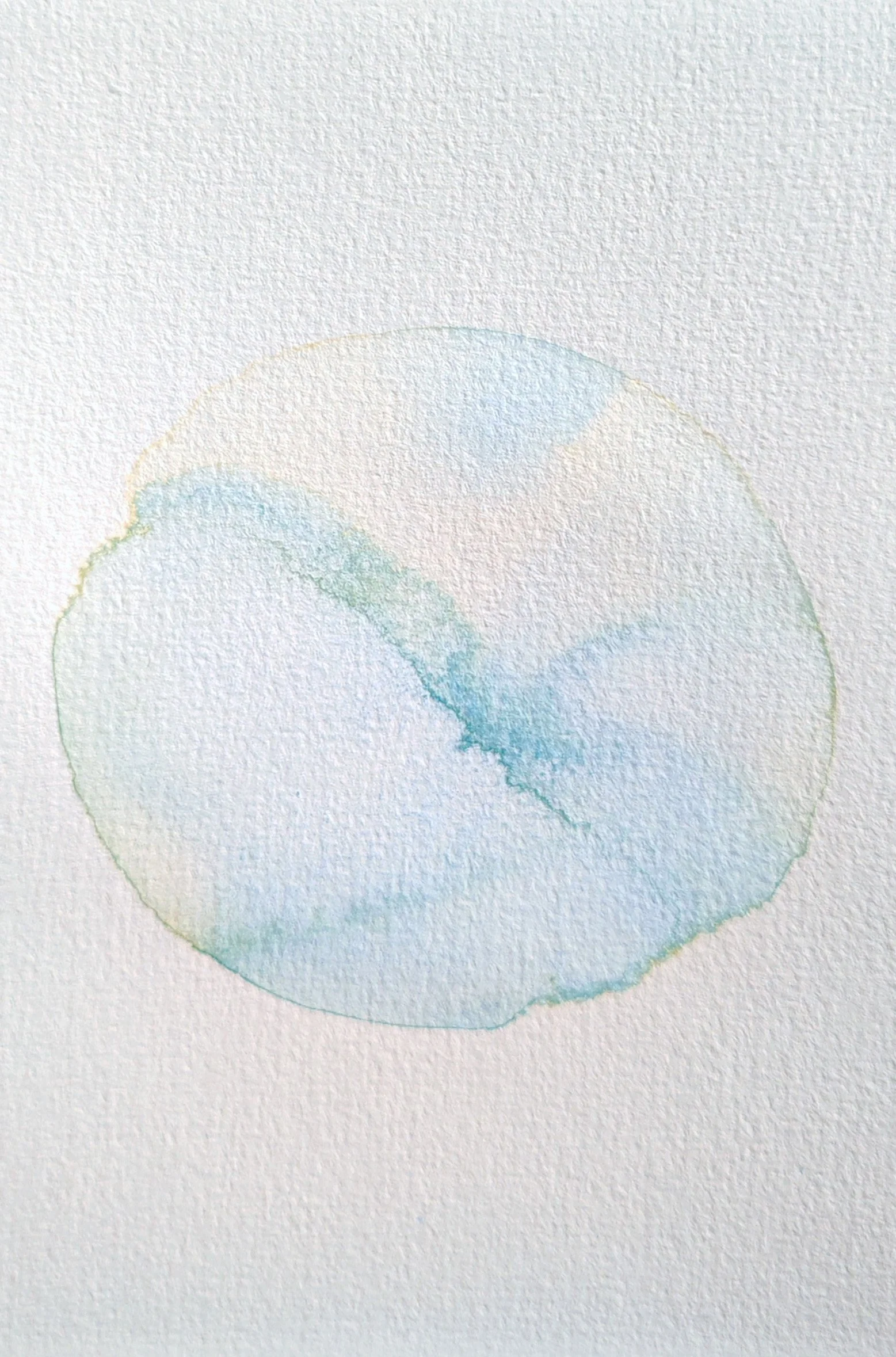
Results and Observations
This field series comprises 46 experiments at seven locations in Ikh Gazriin Chuluu. Each sheet was premoistened with 0.3 millilitres of water. Depending on the experimental group, a further 0.6, 0.8 or 1.0 millilitres of pigmented water suspension was then added. In total, 13.8 millilitres of water were used for pre-moistening and 32.4 millilitres of pigmented liquid were applied. The total quantity of water used in the experiments was therefore 46.2 millilitres. Of the 46 experiments, 43 reached a documented drying endpoint; three at Location A were aborted because of heavy rain.
One of the clearest observations is the wide range of drying durations, from 15 to 99 minutes. This spread alone shows that the quantity of water applied did not determine the temporal course of the process by itself. Comparable or identical quantities of liquid produced substantially different drying durations under different site and environmental conditions. This is particularly evident in the 28 experiments using 0.6 millilitres of pigmented suspension. Drying durations at Location D ranged from 15 to 36 minutes, at Location E from 28 to 77 minutes, at Location F from 17 to 32 minutes, and at Location G from 18 to 50 minutes. Although water quantity and pre-moistening were identical in these groups, markedly different temporal profiles emerged.
The twelve experiments using 0.8 millilitres also show pronounced variability. At Location B, drying durations ranged from 31 to 45 minutes, while at Location C they ranged from 36 to 99 minutes. The works at Location C in particular display a wide spread despite the same quantity of water and largely comparable initial atmospheric conditions. The data therefore argue against a simple linear relationship between the applied quantity of water and drying duration.
The comparison within Location G is also revealing. In the first group, at 24–28 °C and 24–26% relative humidity, with a north-westerly wind at Beaufort force 1, drying durations ranged from 33 to 50 minutes. In the later group, at 30 °C and 18% relative humidity, with a north-easterly wind at Beaufort force 2, they fell to 18–28 minutes. In a later group, at 30 °C, 18% relative humidity, a north-easterly wind and Beaufort 2, they fell to 18–28 minutes. This comparison suggests that the changed atmospheric constellation was relevant to the different drying durations. An unequivocal causal attribution is nevertheless impossible because several conditions changed simultaneously—including temperature, relative humidity, wind direction and time of day. The field study therefore enables the observation of relationships and differences, but not the isolated testing of individual variables under controlled laboratory conditions.
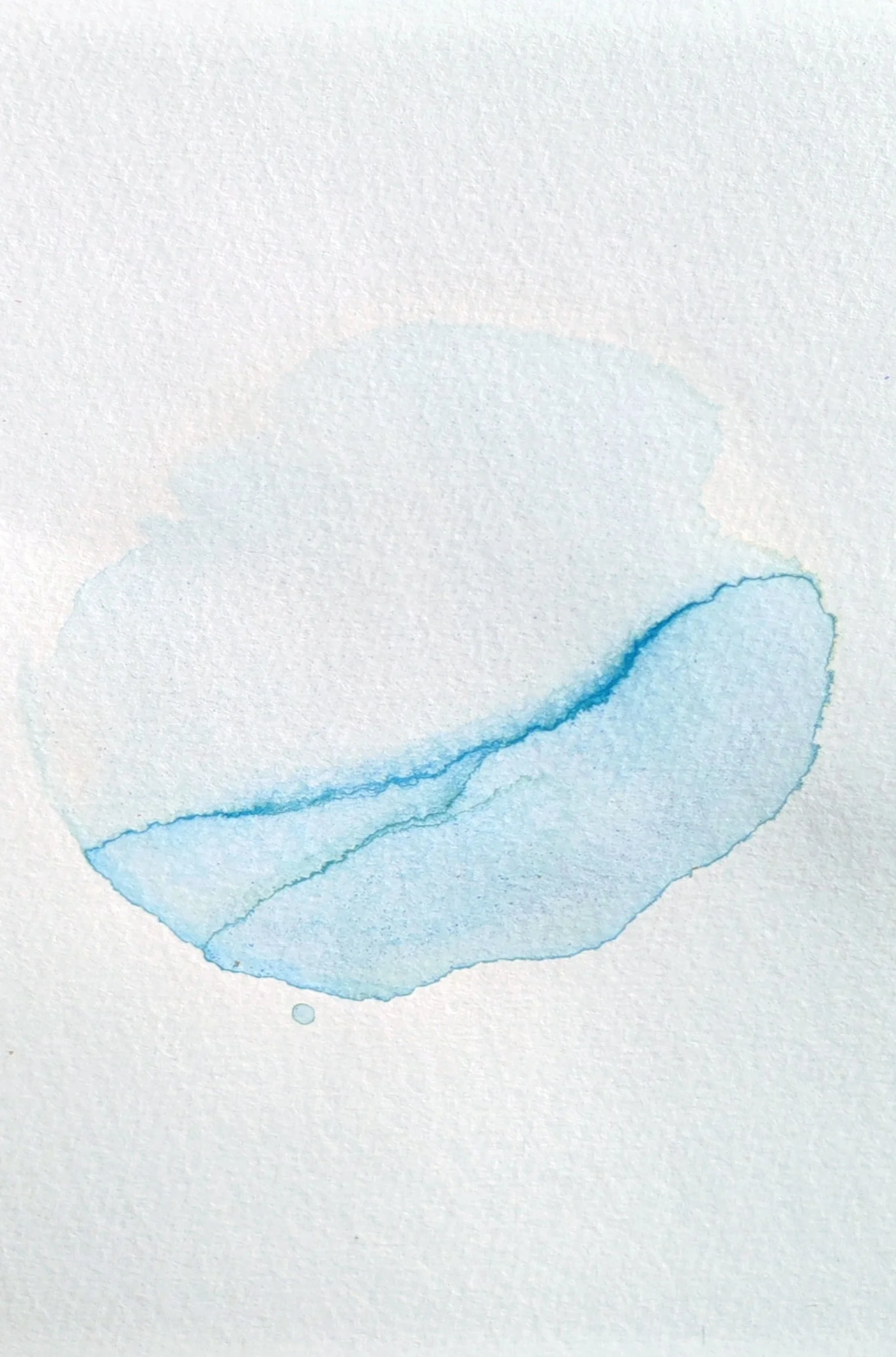
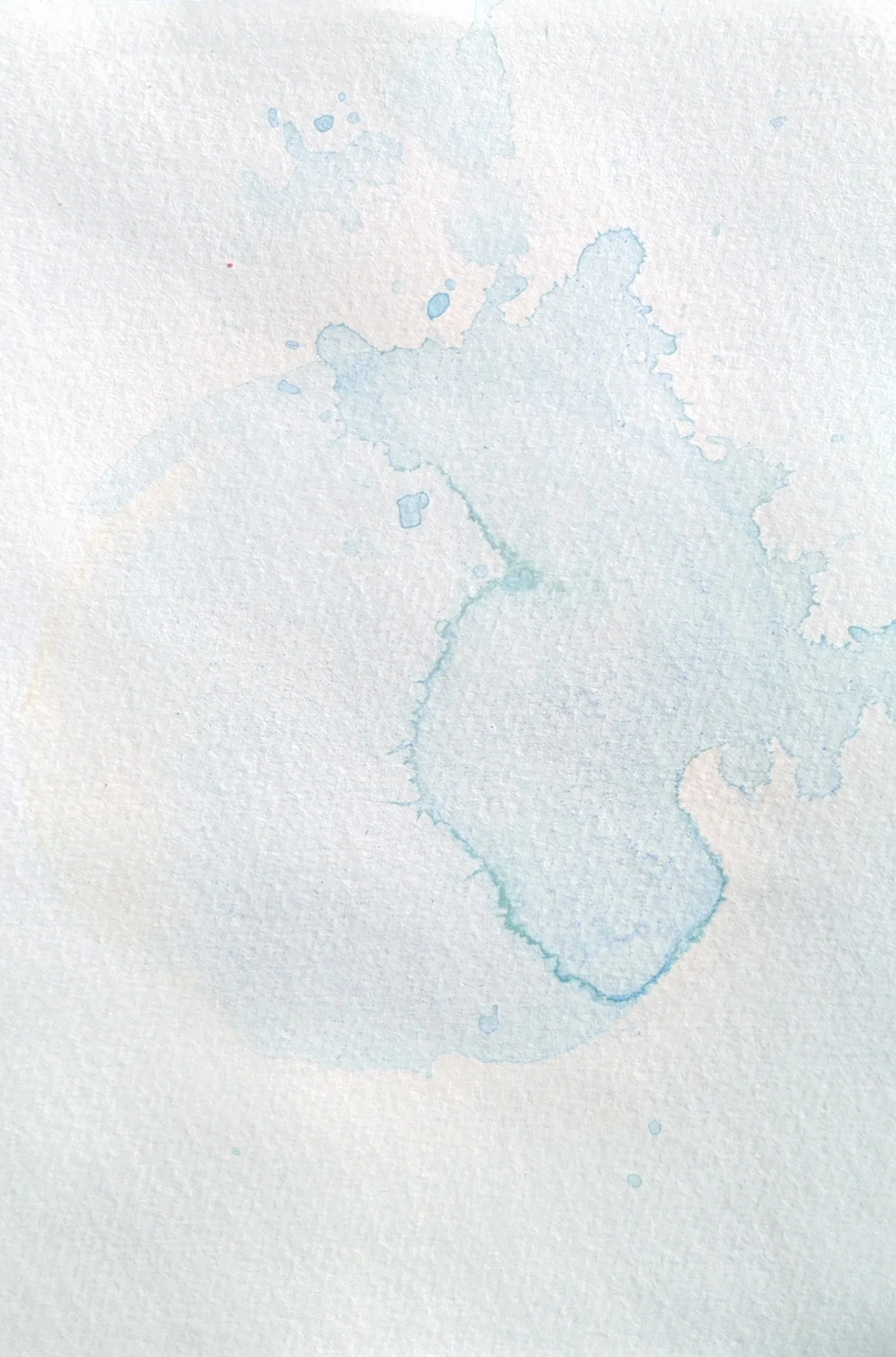
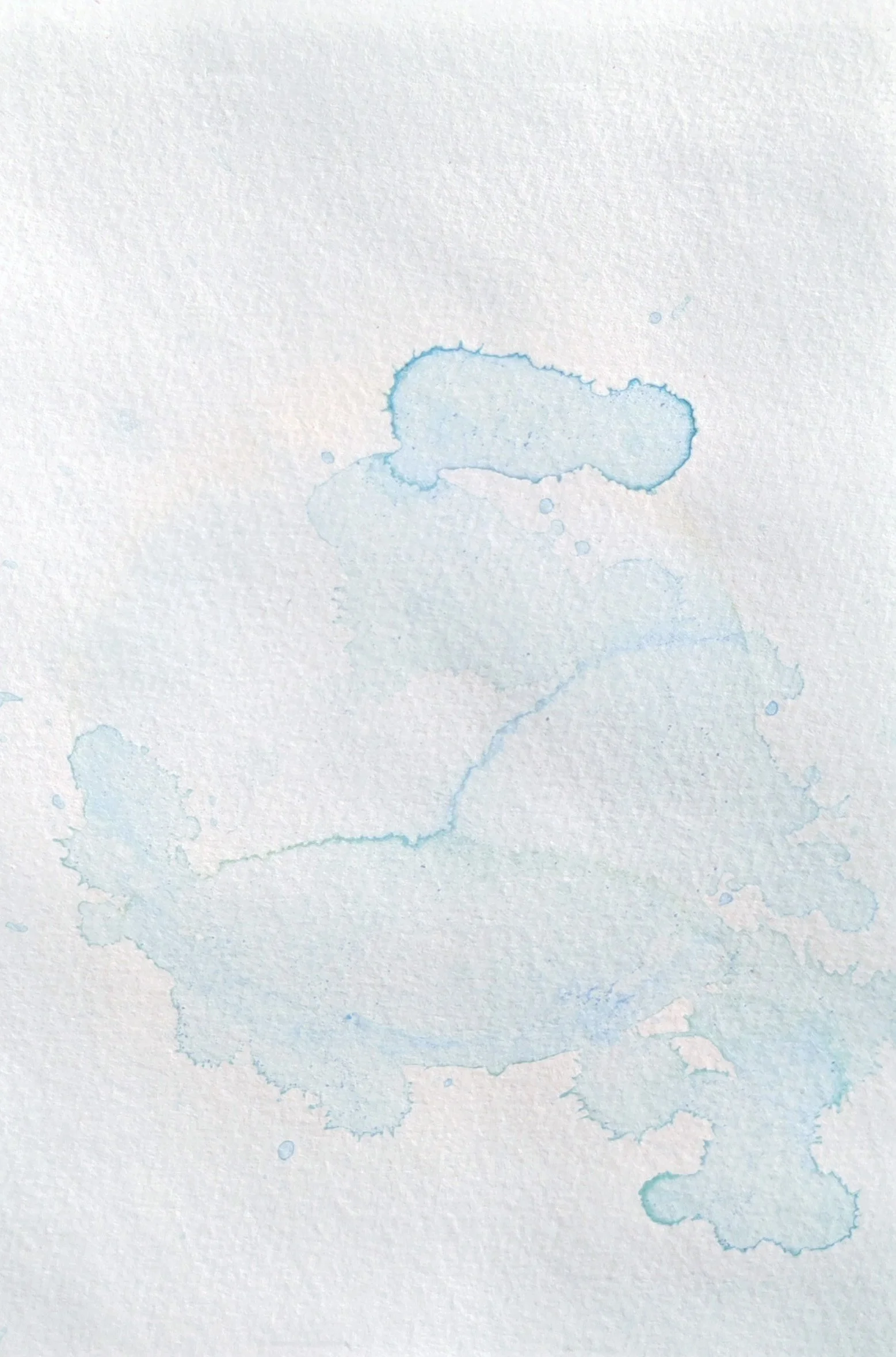
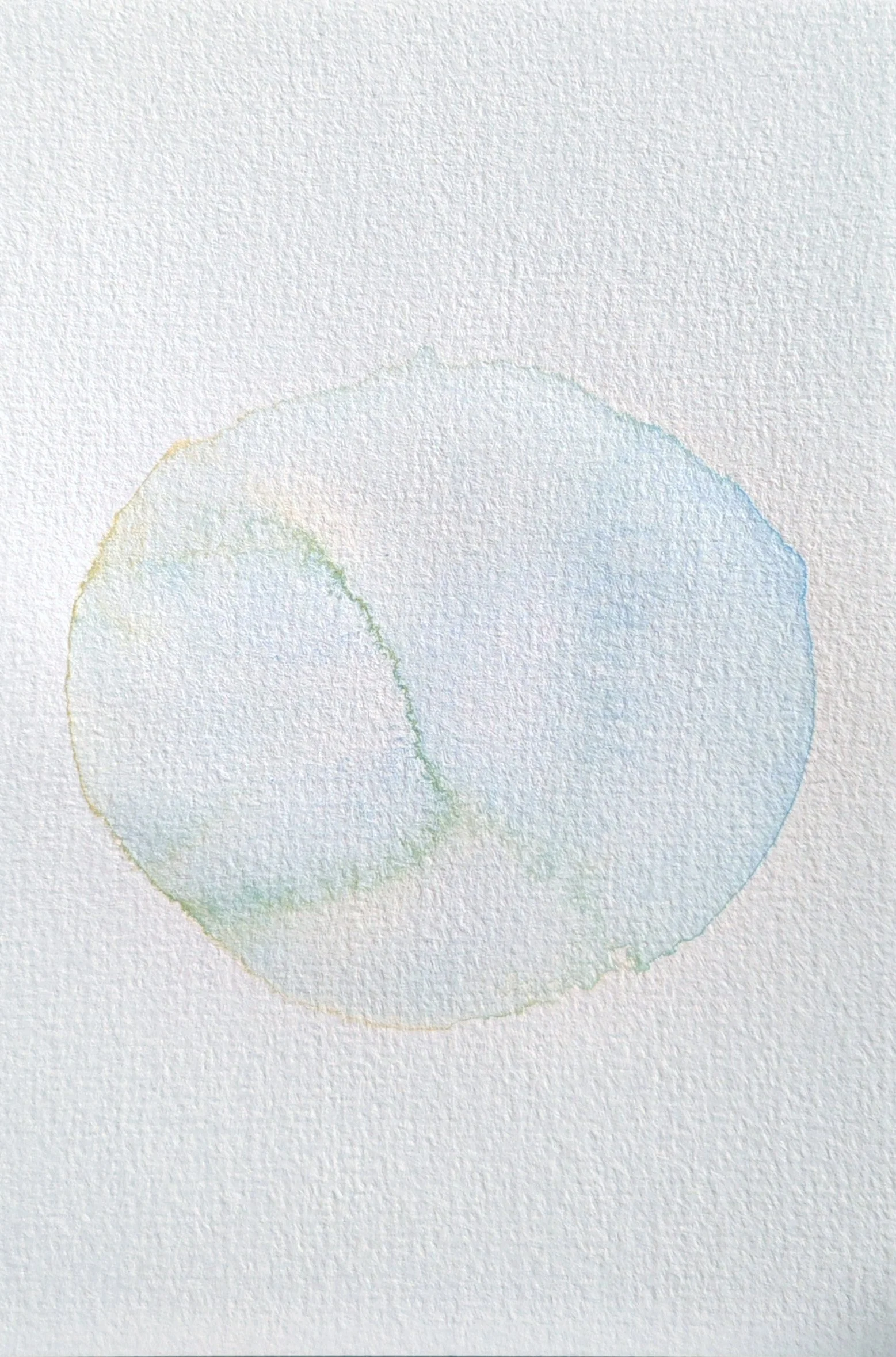
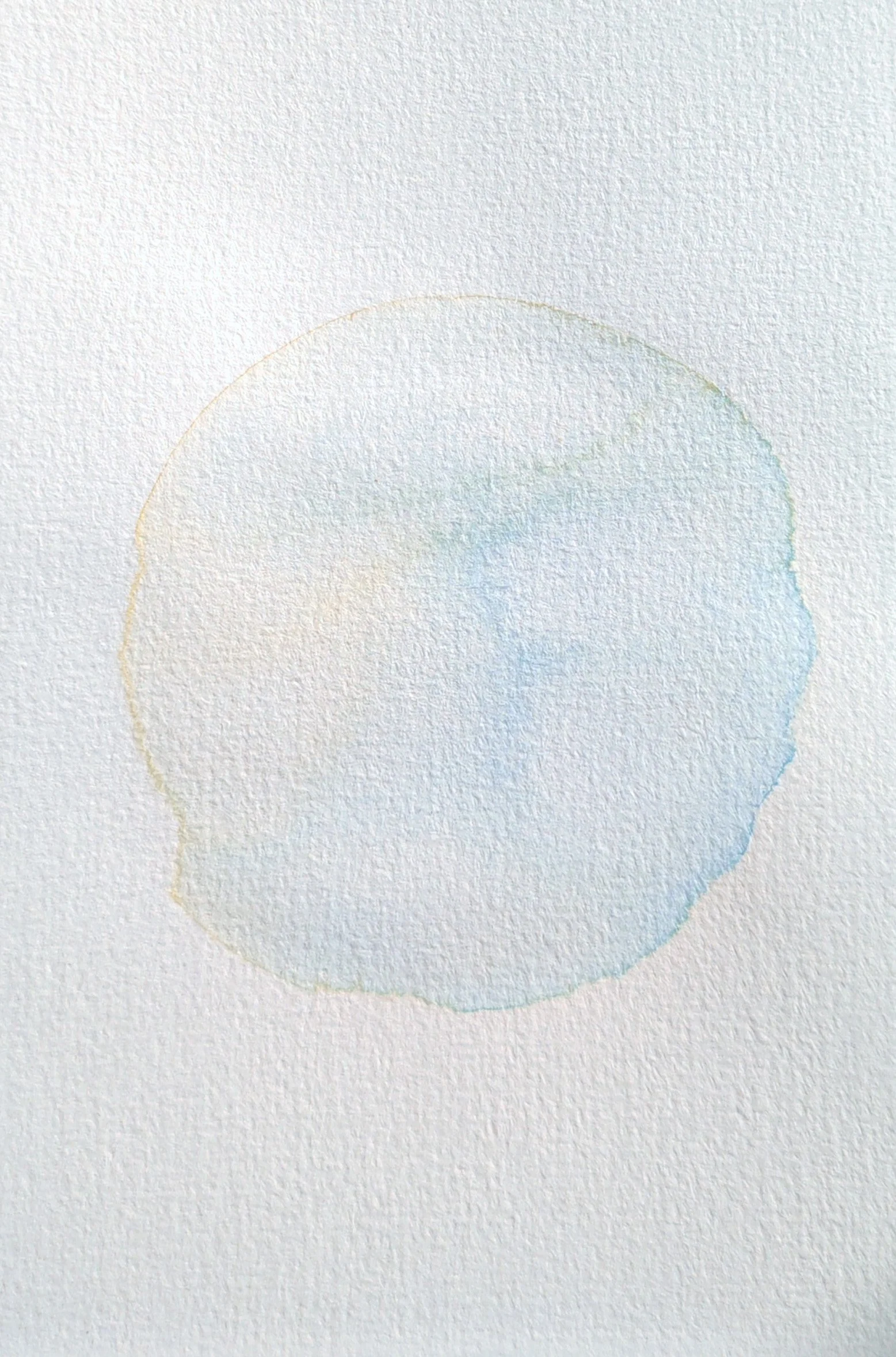
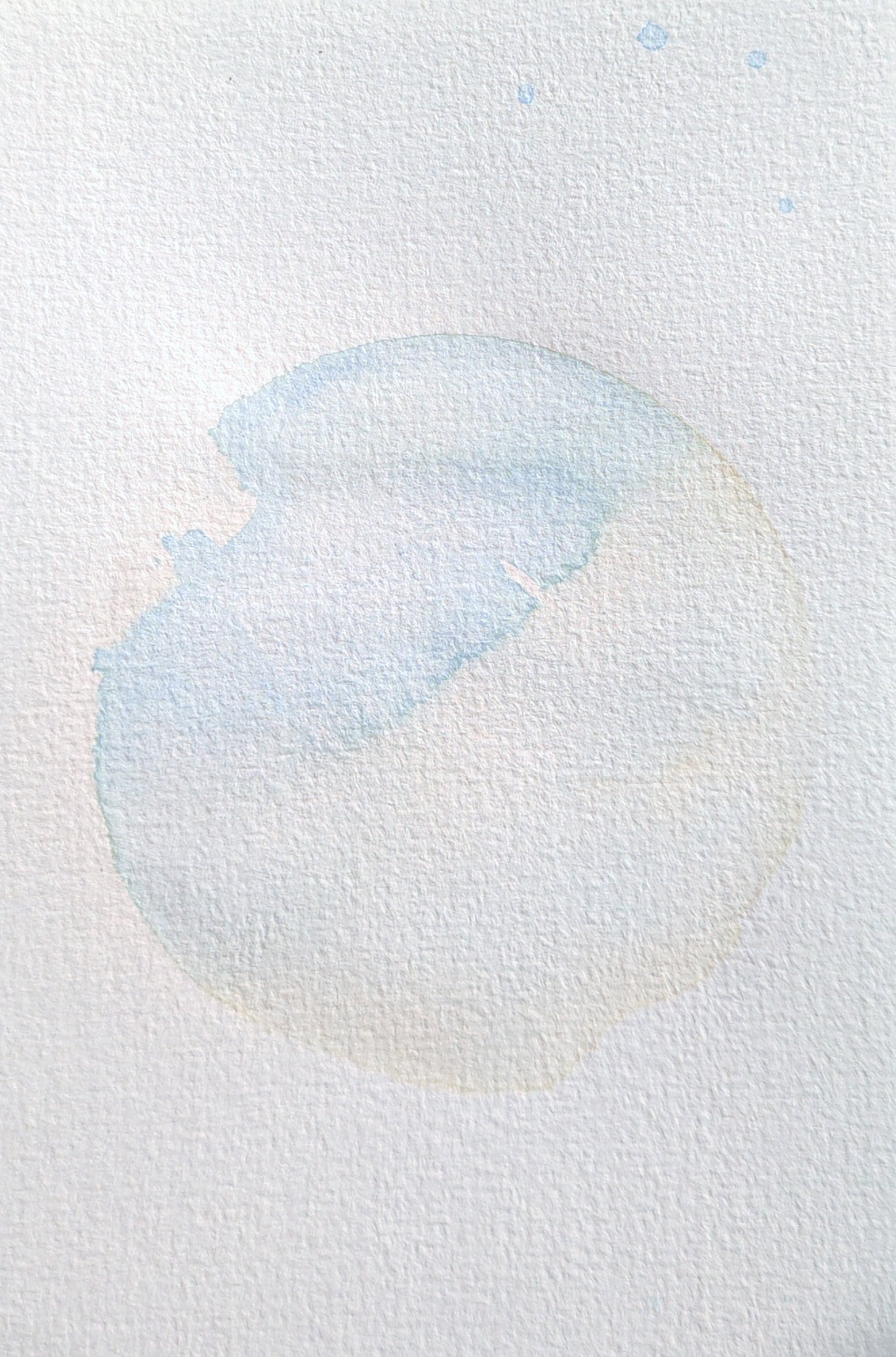
The same applies to the visual results. Pigment edges, sedimentation, pale areas, asymmetrical spreads and overlays cannot be assigned unambiguously to individual measurements. Temperature, humidity, wind, light and precipitation acted together with pre-moisture, paper structure, quantity of liquid, pigment transport and procedural conditions. Repetition of the experimental arrangement therefore did not standardise the results. On the contrary, it made their differences comparable. The more constant certain initial conditions were kept, the more clearly the differences between the individual works emerged.
Unplanned events also form part of the results of the field series. Insect contact was documented on several occasions; at Location E, the paper deformed in some experiments. Three works at Location A could not be completed as planned because of heavy rain. These events are not merely disturbances of an otherwise controlled process. They mark the openness of the field situation and show the limits of the protocol. The results therefore cannot be reduced to the effect of one dominant parameter. The central finding is instead that a methodologically comparable initial situation gives rise to different material and temporal events under changing, site-specific conditions. Landscape appears not as a represented motif, but as an active constellation of atmosphere, material, place and moment. Its presence becomes legible in the differences between the works.